Source PVC Chenille Patches for Garments, Bags, and Hats
Compare 30 PVC Chenille patches from verified suppliers with options for iron-on and adhesive backing. Buyers can review custom designs, sizes ranging from 30mm to 80mm, and lead times of 2 to 15 days for bulk orders.
Key considerations
Products List
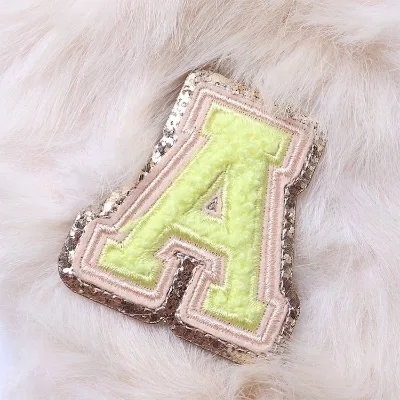
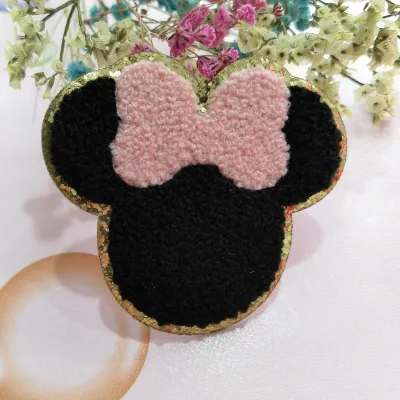




Comprehensive Sourcing Guide
Strategic Sourcing Guide for PVC Chenille Patches
The global market for custom apparel accessories has seen a significant surge in demand for textured, durable, and visually striking patches. Among the various materials available, the intersection of PVC (Polyvinyl Chloride) and Chenille has created a unique product category that combines the soft, fuzzy aesthetic of traditional embroidery with the durability and water resistance of synthetic polymers. For B2B procurement professionals, sourcing these items requires a nuanced understanding of material composition, manufacturing techniques, and the specific compliance landscape. This guide provides a structured approach to evaluating suppliers and products within this sector, ensuring that procurement decisions are based on verified facts and industry standards rather than marketing assertions.
Understanding Material Composition and Technical Specifications
The term "PVC Chenille patch" often presents a technical contradiction that buyers must clarify during the sourcing process. Traditional Chenille patches are defined by their "plastic type" or core material being a specific type of yarn, often described in supplier data as "chenille" yarn, which is typically made from cotton or synthetic fibers wrapped around a core. However, the presence of "PVC" in the product description suggests a variation where the base, backing, or specific design elements utilize Polyvinyl Chloride. In the observed product data, distinct entries list "Main Material: Fabric" alongside "Material: PVC," indicating that suppliers may offer different variations of the same product line.
Buyers must verify the exact composition of the patch they intend to purchase. Is the Chenille yarn itself PVC-based, or is the PVC used for the backing, the border, or as a 3D molding element? The technical specification "Single package size: 30X30X2 cm" and "Single gross weight: 0.030 kg" suggests a lightweight, compact product, which is typical for adhesive-backed patches. The "Shape: Irregular" attribute is a common feature for Chenille patches, allowing for complex, non-geometric designs that stand out on garments. When evaluating technical specs, procurement teams should look for consistency in the "Model Number" (e.g., GEP-1163B, C10, AZ-03) to ensure that the specific design requested matches the physical sample provided. The "Technics: embroidered" attribute confirms that the Chenille texture is achieved through an embroidery process, which is distinct from pure PVC molding.
Border Finishes and Adhesive Backing Systems
The longevity and application method of a patch are heavily influenced by its border finish and backing system. The supplied data highlights three distinct border types: "Merrow," "Heat Cut," and "Laser Cut." Each serves a different functional and aesthetic purpose. Merrow borders involve a stitched edge that prevents fraying, which is traditional for fabric patches. Heat cut and Laser cut borders offer a cleaner, more modern look and are often preferred for PVC-based materials where melting the edge seals the material.
The backing system is equally critical for the end-user experience. The data presents a conflict in the "Backing" attribute, listing both "Adhesive on Backing" and "Iron on Backing." In practice, these are often complementary features. A high-quality Chenille patch may feature a heat-activated adhesive layer (often silicone-based) that allows for an "Iron-On" application, providing a permanent bond without the need for sewing. The "Style: adhesive on" and "Feature: iron on patches" attributes reinforce this dual functionality. Buyers should explicitly confirm whether the adhesive is a permanent glue or a temporary heat-activated layer, as this affects the installation process for their manufacturing line. Additionally, the "Back: Paper Backing /Stick" attribute indicates the presence of a release liner, which must be removed before application.
Compliance, Certification, and Quality Standards
In the B2B sector, compliance is not merely a formality but a prerequisite for market access. The supplied product information references "SGS" as a product standard. SGS is a recognized inspection, verification, testing, and certification company. However, the presence of the "SGS" tag in a product listing does not automatically guarantee that every unit in a bulk order has passed a specific test for the intended market (e.g., REACH in Europe or CPSIA in the US). Buyers must verify that the "Standard" listed corresponds to the specific regulatory requirement of their target market.
The data also mentions "prod_standard: 2*3"" which appears to be a size specification rather than a regulatory standard. This highlights the importance of distinguishing between physical dimensions and compliance certifications. When sourcing, procurement officers should request valid, recent test reports from the supplier that specifically address the materials used (PVC and Chenille yarn). These reports should verify the absence of hazardous substances such as phthalates, which are often a concern in PVC products. Furthermore, the "Business Type: Directly Factory & Manufacturer" attribute suggests a potential for better quality control, but it does not replace the need for independent verification. Buyers should insist on third-party audit reports that confirm the factory's adherence to labor standards and environmental regulations, ensuring that the "Directly Factory" claim translates to ethical and safe production practices.
Cost Drivers and Minimum Order Quantity Dynamics
Pricing in the custom patch industry is driven by several variables, including material complexity, order volume, and customization levels. The observed price range of $0.02 to $3.50 USD represents a wide spectrum, likely reflecting the difference between simple, mass-produced designs and complex, multi-color, 3D Chenille patches with custom borders. The "MOQ: 50pcs" and the observed range of "10-500" indicate that this category is accessible for small-batch testing but scales efficiently for larger orders.
The "Customization: Available" and "Custom Logo & Design: Accept" attributes are significant cost drivers. Adding custom colors, specific border types, or unique shapes (like the "Irregular" shape noted) often incurs additional setup fees or increases the unit cost. The "Delivery Period: 3 -15 Days Generally, According to Your Quantity" suggests that lead times are variable and directly correlated with order volume. Larger orders will naturally take longer to produce, while the "7 days sample order lead time" offers a quick turnaround for prototyping. Buyers should factor in these lead times when planning their inventory, as the "3-15 days" window does not include shipping time. Understanding these cost drivers helps in negotiating better terms; for instance, a buyer might opt for a slightly higher MOQ to secure a lower unit price, balancing the cost against the risk of overstocking.
Supplier Evaluation and Production Capabilities
Evaluating a supplier for PVC Chenille patches requires a deep dive into their operational capabilities and geographic location. The data lists origins such as "Shenzhen" and "Jiangsu," both of which are major manufacturing hubs in China known for textile and accessory production. Shenzhen is particularly renowned for its electronics and high-tech manufacturing, while Jiangsu has a strong history in textile processing. The "Business Type: Directly Factory & Manufacturer" claim is a positive indicator, suggesting the buyer will deal directly with the production entity rather than a trading company, which can improve communication and pricing.
However, buyers must verify this claim. A "Direct Factory" should demonstrate transparency in their production process, including the ability to show the "Technics: embroidered" workflow. The "Sample time: 2-3 days" and "Support" for sample orders indicate a responsive production line. When evaluating suppliers, procurement teams should assess their capacity for "Custom Color" matching and their ability to handle "Irregular" shapes without compromising the "Laser Cut" or "Merrow" border integrity. The presence of various accessories like "Pin / Clutch /Clip /Button Loop" suggests that the supplier offers a comprehensive range of patch types, which can be beneficial for buyers looking to diversify their product offerings. It is crucial to request a portfolio of previous work that matches the specific "Model Number" or design complexity required.
Quality Control and Long-Term Procurement Strategy
Maintaining quality consistency is paramount when sourcing custom patches. The "Feature: 3D" attribute implies a raised texture that can be prone to damage during shipping or application if not manufactured correctly. Quality control checks should focus on the adhesion strength of the "Iron-On" backing, the durability of the "Chenille" yarn against washing, and the precision of the "Laser Cut" borders. The "Single gross weight: 0.03 kg" is a useful metric for logistics planning, but it should be verified against the actual weight of the bulk order to ensure no material substitution has occurred.
For long-term procurement, buyers should establish a clear specification sheet that defines the acceptable tolerances for color, size, and backing adhesion. The "Product Type: PATCHES" and "Usage: Garment" attributes indicate that these items are intended for apparel, which requires high durability. A robust quality control plan should include pre-shipment inspections that test the patch's ability to withstand repeated ironing and washing cycles. Additionally, buyers should consider the "prod_packing" details, such as "1PC /Ploybag, 100PCS /Big Bag, 500PCS /Inner Box," to ensure that the packaging protects the patches from moisture and crushing during transit.
Application Scenarios and Market Fit
The versatility of PVC Chenille patches makes them suitable for a wide range of applications, primarily in the garment industry. The "Usage: Garment" attribute confirms their primary use in clothing, but their durability also makes them ideal for accessories like bags, hats, and uniforms. The "Keyword: Chenille Patches" and "Product name: New Chenille patch Chenille glitter Patch" suggest that these items are often used for fashion statements, adding texture and visual interest to plain fabrics. The "Custom Color" option allows brands to match their patches exactly to their brand identity, which is essential for corporate uniforms and team apparel.
The "Feature: 3D" aspect is particularly valuable for brands looking to create a premium feel. Unlike flat printed patches, 3D Chenille patches offer a tactile experience that enhances the perceived value of the garment. The "Accessory: Pin / Clutch /Clip" options further expand the application scope, allowing these patches to be used as removable badges or lapel pins, which is popular in the military, scouting, and corporate sectors. Buyers should consider the end-user's environment; for outdoor or high-wear applications, the "PVC" component provides necessary resistance to water and abrasion, while the "Chenille" core provides the desired aesthetic.
Conclusion
Sourcing PVC Chenille patches requires a balanced approach that combines technical verification with strategic supplier evaluation. By understanding the nuances of material composition, border finishes, and backing systems, buyers can make informed decisions that align with their product requirements. The observed data provides a solid foundation for understanding the market, but it is the buyer's responsibility to verify specific standards, test results, and production capabilities. With the right due diligence, the procurement of these versatile and high-quality patches can significantly enhance a brand's product line, offering durability, aesthetic appeal, and customization options that meet the demands of the modern apparel market.
FAQs
What materials are used for these patches?
These patches are made from fabric or PVC depending on the specific model. Some entries list the main material as fabric while others specify PVC, indicating variations in the product line available from the manufacturer.
Can I get custom colors and designs?
Yes, customization is available for both colors and designs. The supplier accepts custom logos and allows buyers to select specific colors to match their brand identity for the final product.
What border finishes are available for these patches?
Available border finishes include Merrow, Heat Cut, and Laser Cut options. The specific border type depends on the model number and the desired aesthetic or functional requirement for the garment application.
How long does it take to receive a sample?
Sample orders typically have a lead time of 2 to 3 days. The supplier supports sample orders with a 7-day delivery period generally, allowing for quick prototyping before bulk production begins.
What is the minimum order quantity for these items?
The minimum order quantity is 50 pieces for standard orders. The observed range across listings is between 10 and 500 units, allowing flexibility for small batch testing or larger production runs.
Are these patches suitable for iron-on application?
Yes, these patches feature an iron-on backing with adhesive. They are designed with a paper backing or stick that allows for direct application to garments using heat without the need for sewing.
Where are these patches manufactured?
The patches originate from manufacturing hubs in Shenzhen and Jiangsu, China. The specific location depends on the factory model, with both regions known for textile and accessory production capabilities.